Banner Image

On Low Side Windows

Low Side Windows in English Pre-Reformation Churches: Some Examples.
9

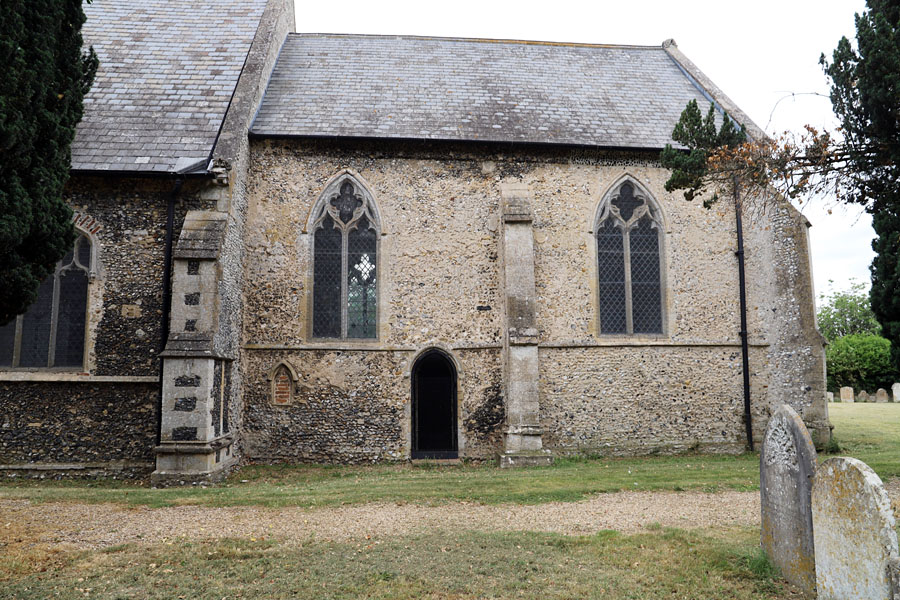
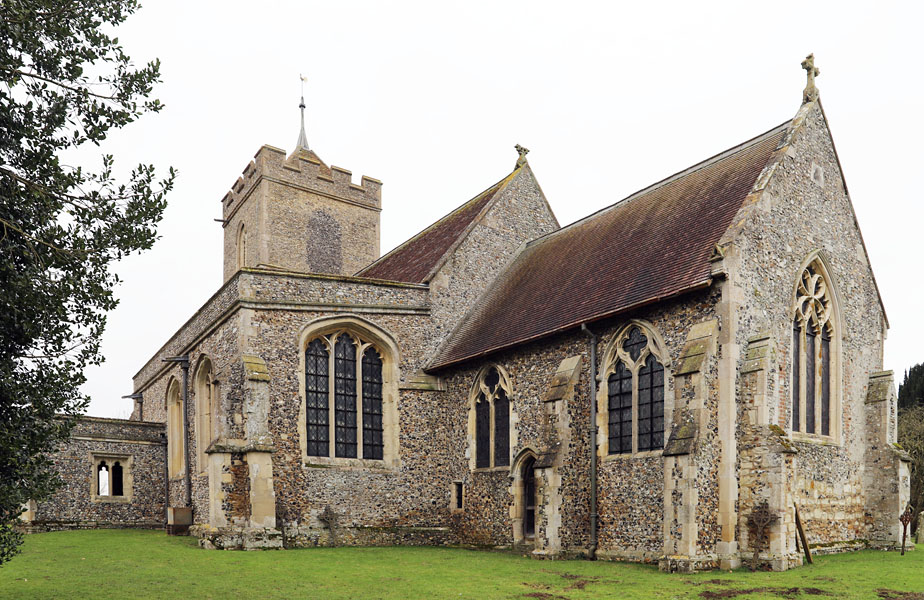
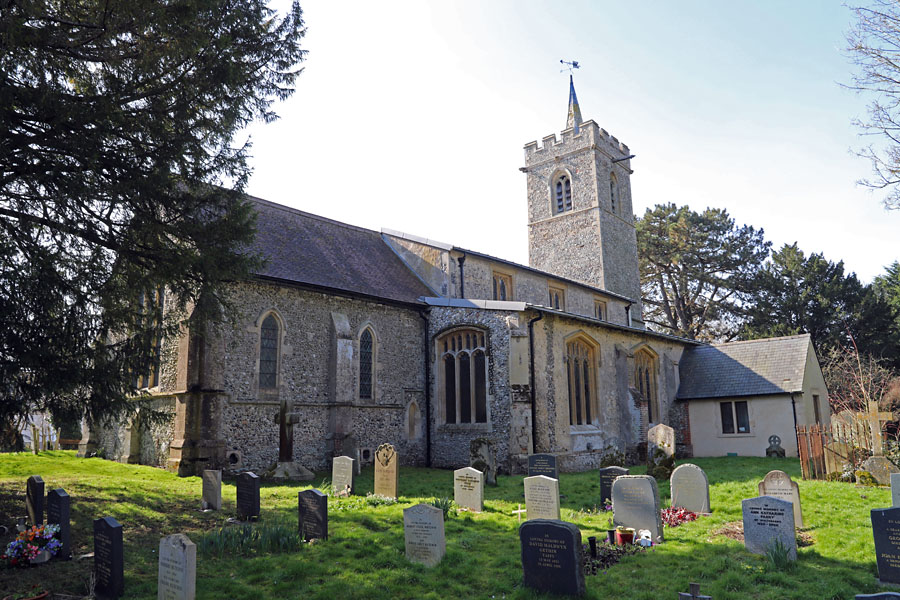
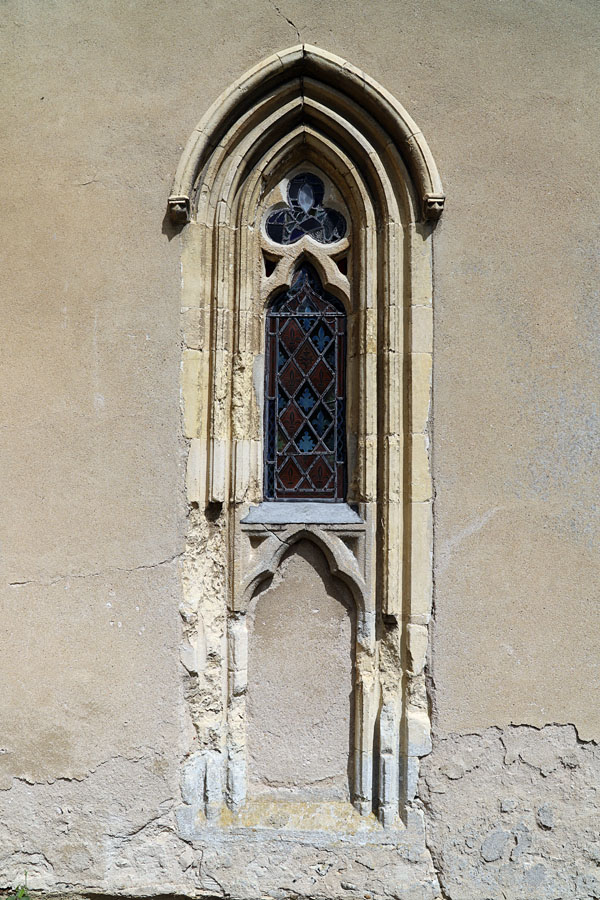
The various categories of low side windows listed on page 8 are illustrated by examples here, and on the following pages. Wherever possible photographs of the interior are also included to show how the internal walls were likely modified to accommodate a seated confessor. In many cases internal seats are provided, formed at the base of the deep splays through the thickness of the walls. Externally some windows appear to be rather low to the ground, and therefore inconvenient for the penitent, but this may be due to the rise in the height of the ground level in the grace yard in the intervening years (e.g. St Mary's, Raydon, Suffolk), or conversely (though more rarely) where a low side window appears externally too high, but where there is evidence that the ground height outside has been lowered (e.g. St Peter's, Sandridge, Hertfordshire). In some instances the low side window was installed at the time the chancel was built as is evidenced by the style of its construction. At St Mary's, Albury, Hertfordshire, for instance, there is a low side window on the north side which is architecturally similar to (though smaller than) the other windows in the chancel, which was built c1230.1


A: Independent openings: No pre-existing chancel windows deemed close enough to its western end to be modified.

In this category the existing chancel windows are deemed too far from its western end at the junction with the nave (the normal location for confession to be heard). The solution would be to install a new, shuttered, opening in that location, and at a height convenient for both penitent and confessor. This appears to be the most common type of low side window. There are also some examples (e.g. St Mary, Raydon, Suffolk, and St Andrew, Buckland, Herts) where the low side windows were likely installed when the chancel was built, and not as a latter addition.


St Mary's, Raydon, Suffolk.

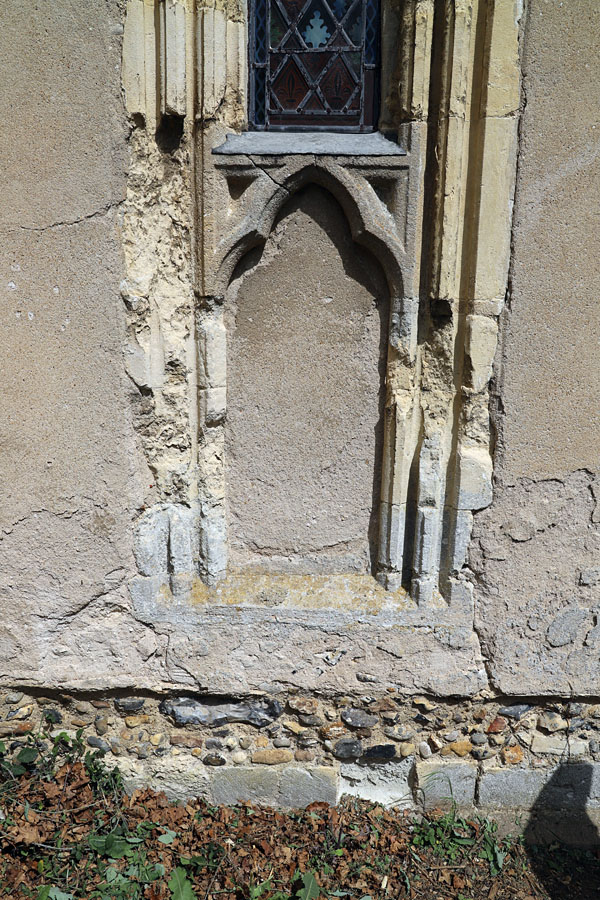
Detail of the south window, now blocked. The chancel is likely to have been rebuilt, or at least remodelled in Early English style in the 14th century. A church guide written by Robin Hanford in 1990 mentions the loss of at least one rector, Fulio de Baroun in 1361, speculating that it was the return of the Black Death in that year that took him away.1 His successor, Richard Baxter, survived until 1368, coincident with another outbreak of the pestilence. If, as is postulated here, that the majority of low side windows were installed as a reaction to the Black Death, this further reinforces the dating of the low side windows.

Although this lower opening seems very low by comparison to many other examples, so low in fact that the penitent would have had to have sat on the ground to be heard, it is not out of the question that the ground around the church has increased in elevation over the years. Handford mentions that a restoration in the 19th century raised the floor of the chancel.2

The list of rectors of Raydon displayed in the church lists three or four who may have succumbed to the plague: Henry de Sancta Ositha (1336-1350), Richard de Wkenbrok (1350-1361), Fulco de Baroun (1361), and Richard Baxster (1361-1386). It is highly significant that the years the incumbents changed were those when the Great Pestilence was ravaging the country.


  1. Hanford, Robin. St Mary's Church Raydon. Guide and History, 1990, p8. Available here.
  2. Ibid. p14.

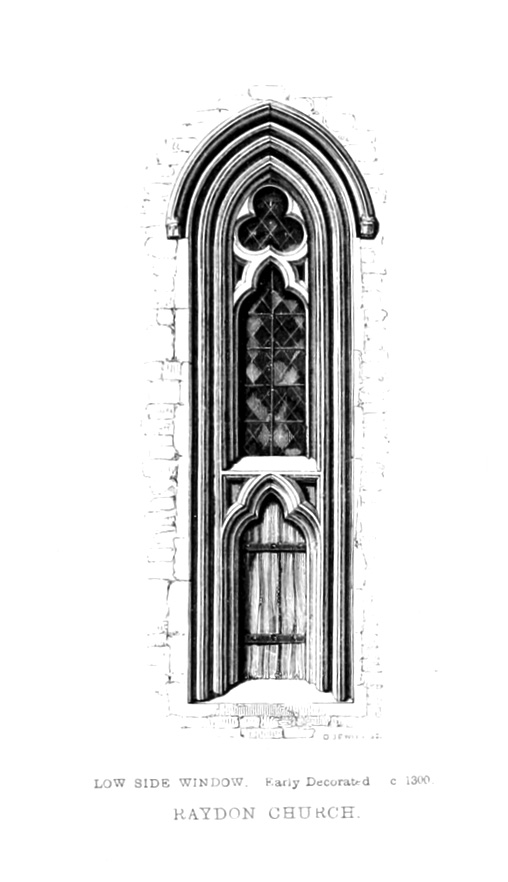
St Mary's, Raydon, Suffolk.

Sketch which appeared in the Archaeological Journal for 1847,1 and also published by the Rev. J. F. Hodgson in his essay, "On Low Side Windows".2 This shows the original wooden shutter still in situ at that time. By the time of Henry Munro Cautley's survey of Suffolk churches published in 1937, the shutter had been removed and the lower window blocked.3


  1. Archaeological Journal (Archaeological Institute of Great Britain and Ireland, Vol 4, 1847
  2. Archaeologia Aeliana or Tracts Relating to Antiquities. Published by the Society of Antiquaries of Newcastle upon Tyne, Volume xxiii. 1902.
  3. Munro Cautley, H. Suffolk Churches and their Treasures. 1937. Entry for Raydon, p305.

St Mary's, Raydon, Suffolk.

Detail of south low side window. Note how close to the present ground level the base is.

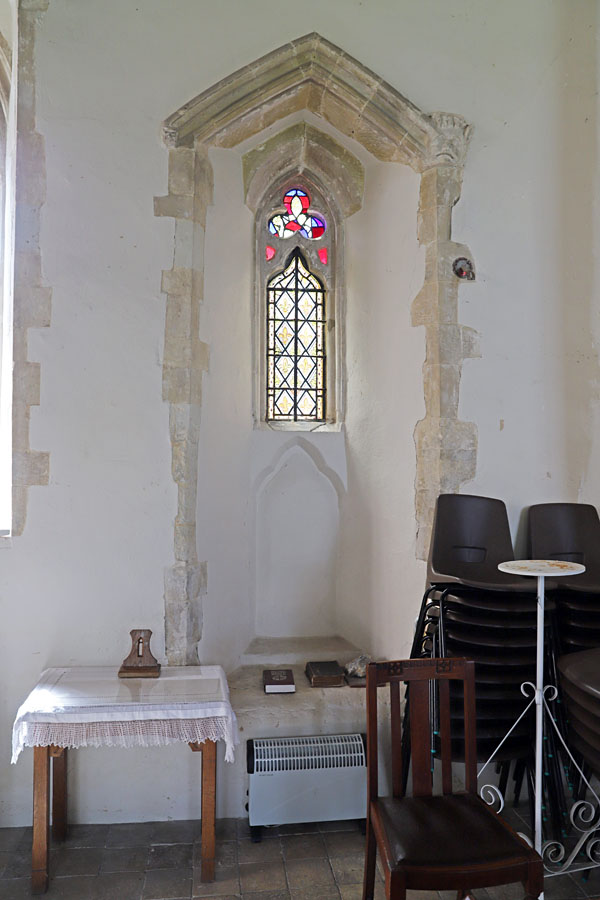
St Mary's, Raydon, Suffolk.

Internally the deep splay of the window provides a seat. Notwithstanding the 19th century modifications to raise the height of the floor in the chancel, this is at a comfortable height, It is likely that in the 14th century the outside ground level was similar to that of the chancel floor.

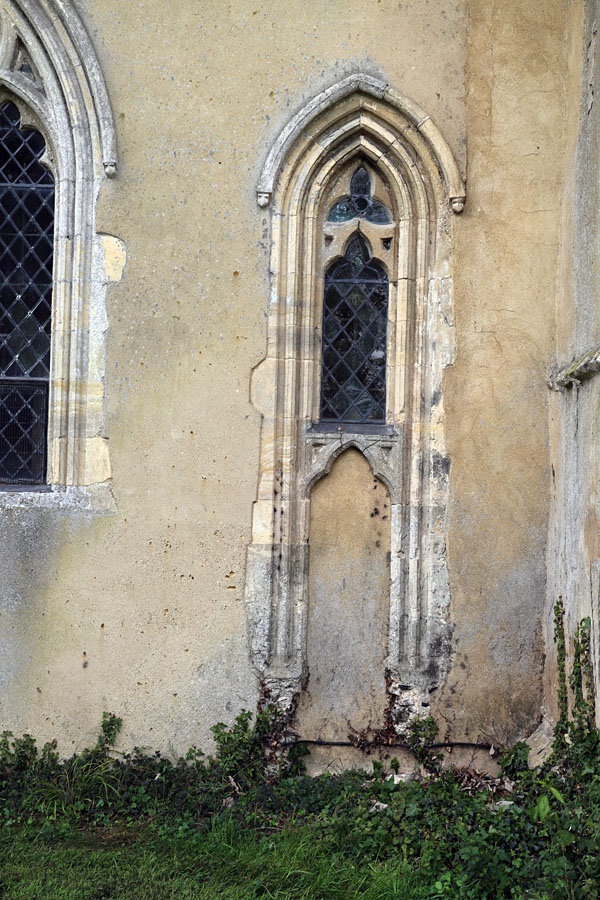
St Mary's, Raydon, Suffolk.

North side of the chancel with a near identical low side window close to the junction of chancel and nave.

St Mary's, Raydon, Suffolk.

North side of the chancel: Detail.

St Mary's, Raydon, Suffolk.

North side internal view, similar in arrangement to that on the south side.

St Mary Magdalene, Essendine, Rutland.

The low side window on the south side of the chancel is a pretty quatrefoil opening set in a scalloped circle and carved from a single block of stone.


St Mary Magdalene, Essendine, Rutland.

South low side window detail.

St Mary Magdalene, Essendine, Rutland.

South low side window detail.

St Mary Magdalene, Essendine, Rutland.

Internally the now blocked window has been converted into a small storage cupboard.

St Mary's, Albury, Hertfordshire.
North side.

St Mary's, Albury, Hertfordshire.
General view of chancel north side. The low side window reflects the style of the main lancets, and was probably installed during the chancel rebuild in 1360.
The abuttment west of the LSW is modern.

St Mary's, Albury, Hertfordshire.
North low side window detail.

St Mary's, Albury, Hertfordshire.
North low side window internal view.

St Mary's, Braughing, Hertfordshire.

General view of the south side of the chancel.

St Mary's, Braughing, Hertfordshire.

South low side window detail.

St Mary's, Braughing, Hertfordshire.

South low side window detail.

St Mary's, Braughing, Hertfordshire.

Stained glass depicts Jesus healing the leper.

Holy Trinity, Great Hockham, Norfolk.

General view of the south side of the chancel. The square headed window above the priest's door is likely to be a later addition.


Holy Trinity, Great Hockham, Norfolk.

Detail of the low side window.

St James' Hockwold-cum-Wilton, Norfolk.

General view of the chancel south side.

St James' Hockwold-cum-Wilton, Norfolk.

South low side window detail.


St Andrew's, Buckland, Hertfordshire.

South side of the chancel.

St Andrew's, Buckland, Hertfordshire.

South low side window detail. The external bars (though probably not original) are still in situ. An article by the then rector, the Rev W. W. Harvey, in The Builder described the discovery of the window in some detail, suggesting that it was purposely installed for use as a confessional. Of further interest was the discovery of imagery on the internal splays:

"... this window was one of more than usual importance; for when the grout work was cleared away from the splayed niche formed in the thickness of the wall, the splays were found to be smoothly stuccoed, and embellished with outlines of considerable elegance, in deep carmine; the Virgin and Child being represented on the east side, and a female figure, coronetted and kneeling with the hands joined in prayer, on the west side. Each of the heads is encircled with an aureole, that around the Saviour’s head being broken into rays." 1

  1. The Builder 1854-08-26: Vol 12 Iss 603, p453.

St Andrew's, Buckland, Hertfordshire.

Internally a fine hood moulding was incorporated during the renovation of 1854. The shutter hinges are still visible on the right hand side, though at the time of the discovery they were much more prominent (see next slide).

St Andrew's, Buckland, Hertfordshire.
This sketch appeared in the Transactions of the London and Middlesex Archaeological Society and shows how the window looked around the time of the discovery." 1 It shows the restored window which was overseen by the then rector, the Rev W. W. Harvey, with the more prominent shutter hinges, and the glazing on the outside of the saddle bars. A piece of the arch moulding which remained was used as a guide for the mason to create the new head of the opening. However, given the differences between the drawing and what can now be seen, further changes may have been made over the intervening years.

The next slide shows a partial snip of the murals which were discovered on the window splay.

  1. Transactions of the London and Middlesex Archaeological Society, Vol III, June 1866, Part VII, p571.

St Andrew's, Buckland, Hertfordshire.
This sketch was penned by the rector, the Rev W. W. Harvey in 1854, when the window was uncovered during a renovation.1 Unfortunately they were obliterated by an "over-zealous" workman. However, a description by the Rev Harvey remains:

"On the splays were two curious paintings executed in carmine. One represented the Virgin, holding the infant Jesus, and the other a female saint kneeling, her head encircled with an aureole. From the style of her head-dress it appears to have been executed about the early part of the 15th century. These paintings were unfortunately washed off by an over-zealous workman, not, however, before Mr. Harvey had secured tracings of them." 2

  1. The law students' magazine by East Hertfordshire Archaeological Society, Trans 1904, p250.
  2. Transactions of the London and Middlesex Archaeological Society, Vol III, June 1866, Part VII, p571. See also The Builder 1854-08-26: Vol 12 Iss 603, p453.

St Mary the Virgin, Furneux Pelham, Hertfs.

The low side window on the north side of the chancel is a simple small lancet, in the same style as the other windows on this side. It is set slightly to the east as the north aisle extends beyond the junction of chancel and nave.

St Mary the Virgin, Furneux Pelham, Hertfordshire.

North low side window detail.

St Mary the Virgin, Furneux Pelham, Hertfordshire.

Internal view.

St Mary the Virgin, Furneux Pelham, Hertfordshire.

Internal view. The rebates and hooks for a shutter are still visible.

St Gregory's, Offchurch, Warwickshire.

General view of the south side of the chancel.
>

St Gregory's, Offchurch, Warwickshire.

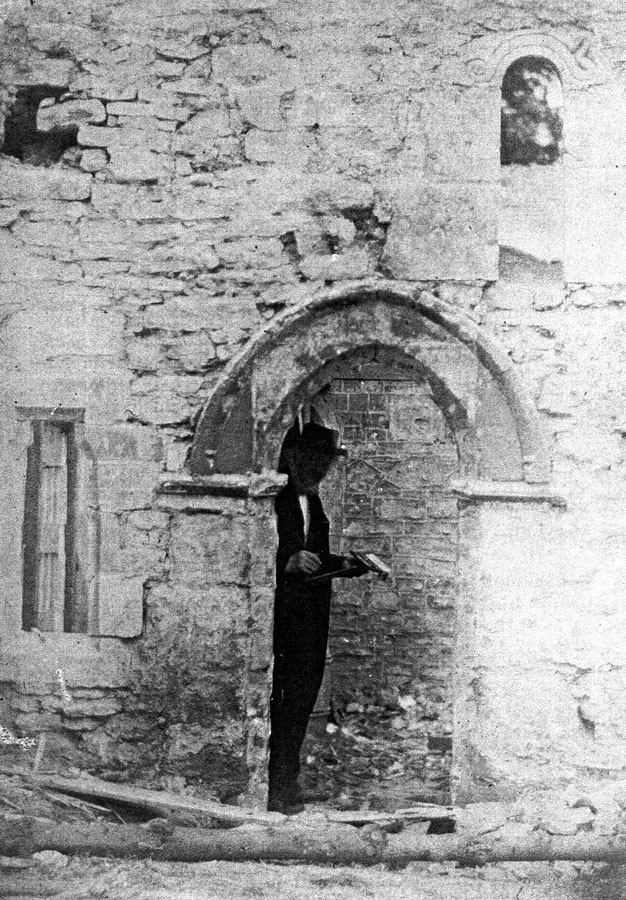
Photo of the newly uncoverd priest's door and low side window taken during the rebuild of the chancel in 1866/7.

St Gregory's, Offchurch, Warwickshire.

Detail of the present low side window.

St Gregory's, Offchurch, Warwickshire.

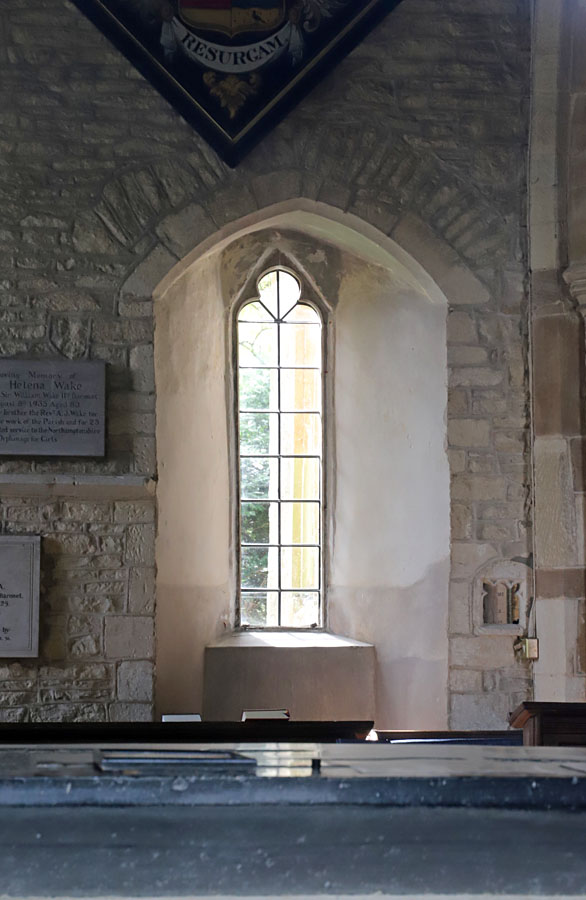
Internal detail of the low side window.

All Saints, Harbury, Warwickshire.

General view of the chancel south side.

All Saints, Harbury, Warwickshire.

South low side window detail.

All Saints, Harbury, Warwickshire.

South low side window internal detail.

St Michael's, Ufton, Warwickshire.
South side of the chancel.

St Michael's, Ufton, Warwickshire.
South low side window detail.

St Michael's, Ufton, Warwickshire.
North side of chancel.

St Michael's, Ufton, Warwickshire.

North side low side window detail.

St Peter & St Paul, Courteenhall, Northants.

General view of the south side low side window. Note how the string course is truncated east of the low side window. The string course is carried around the entire chancel, just below the c14 window sills, and is only terminated on the north side by the extension of the north aisle. This suggests that the LSW is a later addition. There is a suggestion that a transom once divided the lancet in two, but this has been removed.1
  1. Assoc. Arch. Soc. Rep. xxix, 339. The sill is 3 ft. 10 in. above the floor. The opening is 14 in. wide splaying internally to 3 ft. 10 in., and its height is about 5 ft. The transom has been cut away and the whole opening glazed: see also Sir Henry Dryden's MS. notes in Northampton Public Library.

St Peter & St Paul, Courteenhall, Northants.

North low side window detail.

St Peter & St Paul, Courteenhall, Northants.

Internal view.

St Peter & St Paul, Courteenhall, Northants.

General view of the north side.

St Peter & St Paul, Courteenhall, Northants.

North chapel. The low window is towards the eastern end of the chapel. Unusual for a low side window, it opens into the eastern end of the north chapel. This may have been a "private" confessional provided for the Lords of the manor which sits to the north of the church.

St Peter & St Paul, Courteenhall, Northants.

North chapel low side window detail.

St Peter & St Paul, Courteenhall, Northants.

North chapel low side window internal view. The hinge brackets for a shutter are still in situ on the eastern jamb.


To view additional examples of this class of low side window click here.


References & Footnotes: Use your browser's Back button to return to text.

  1. British History Online. An Inventory of the Historical Monuments in Hertfordshire. Originally published by His Majesty's Stationery Office, London, 1910.


All text and photos © Alan Spencer, except where otherwise stated; All Rights Reserved